Land, memory and presence
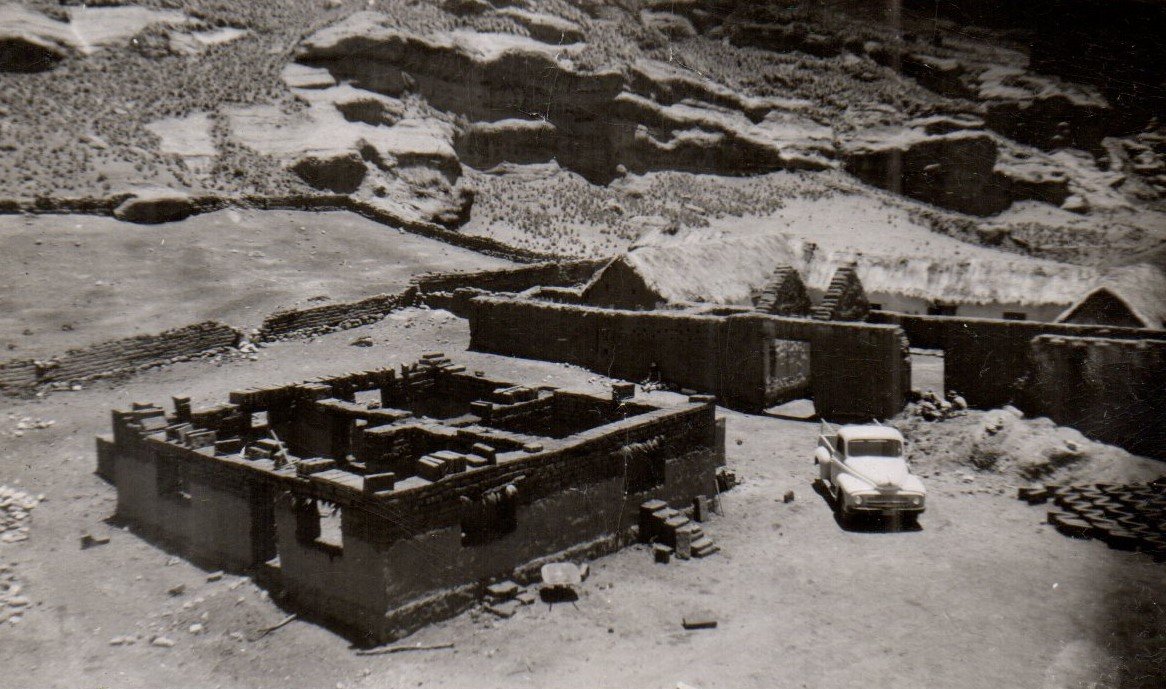


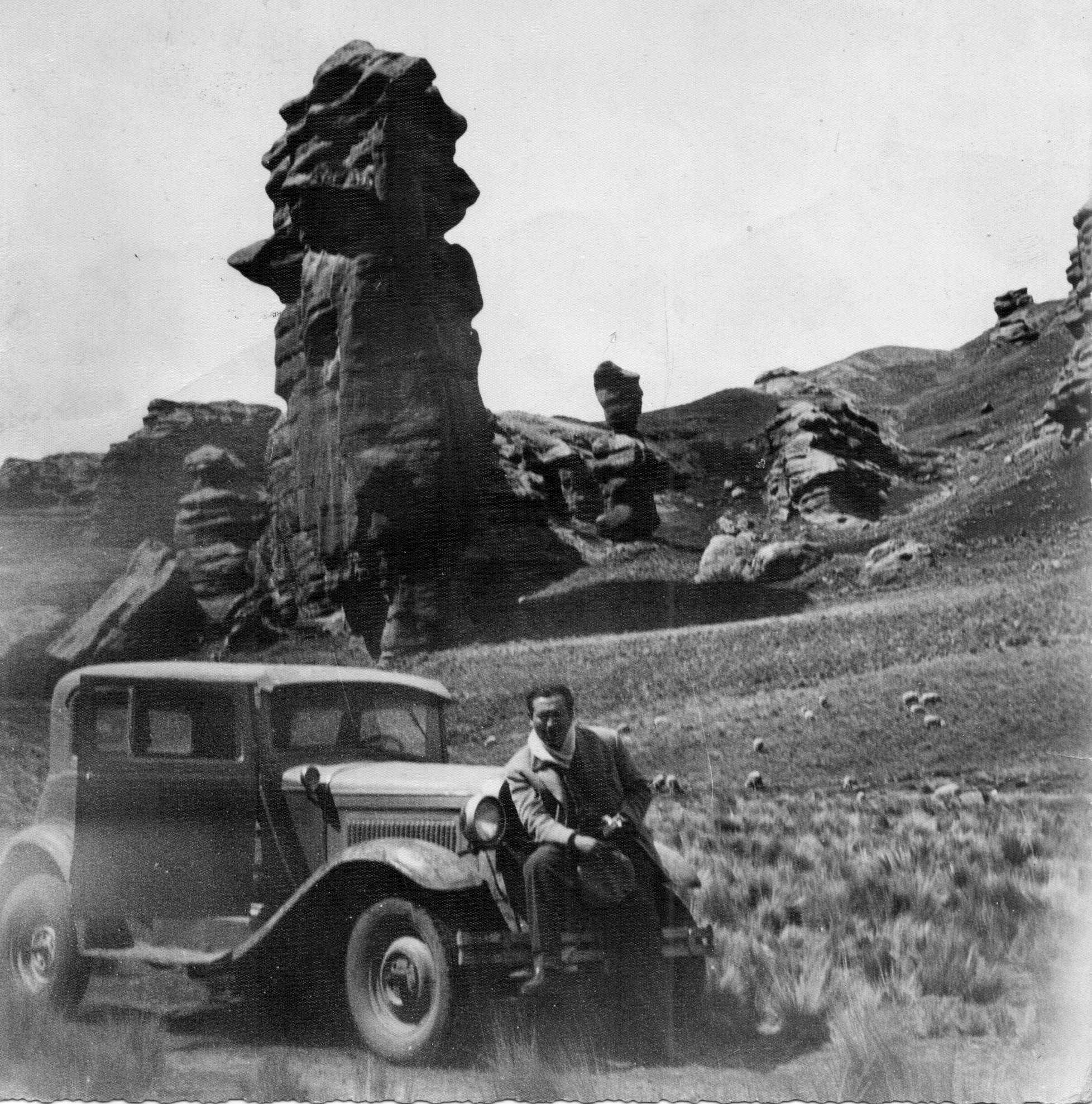
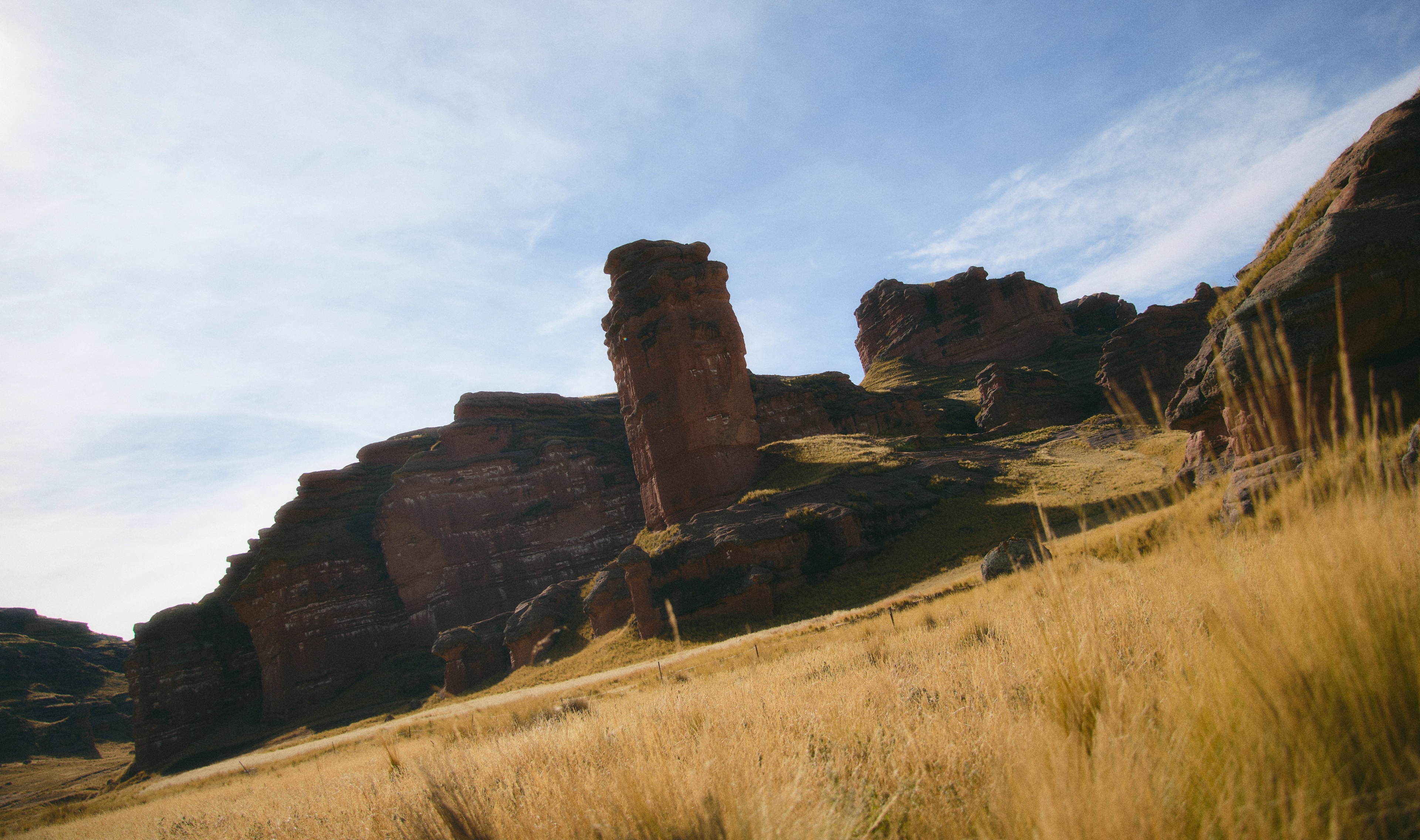
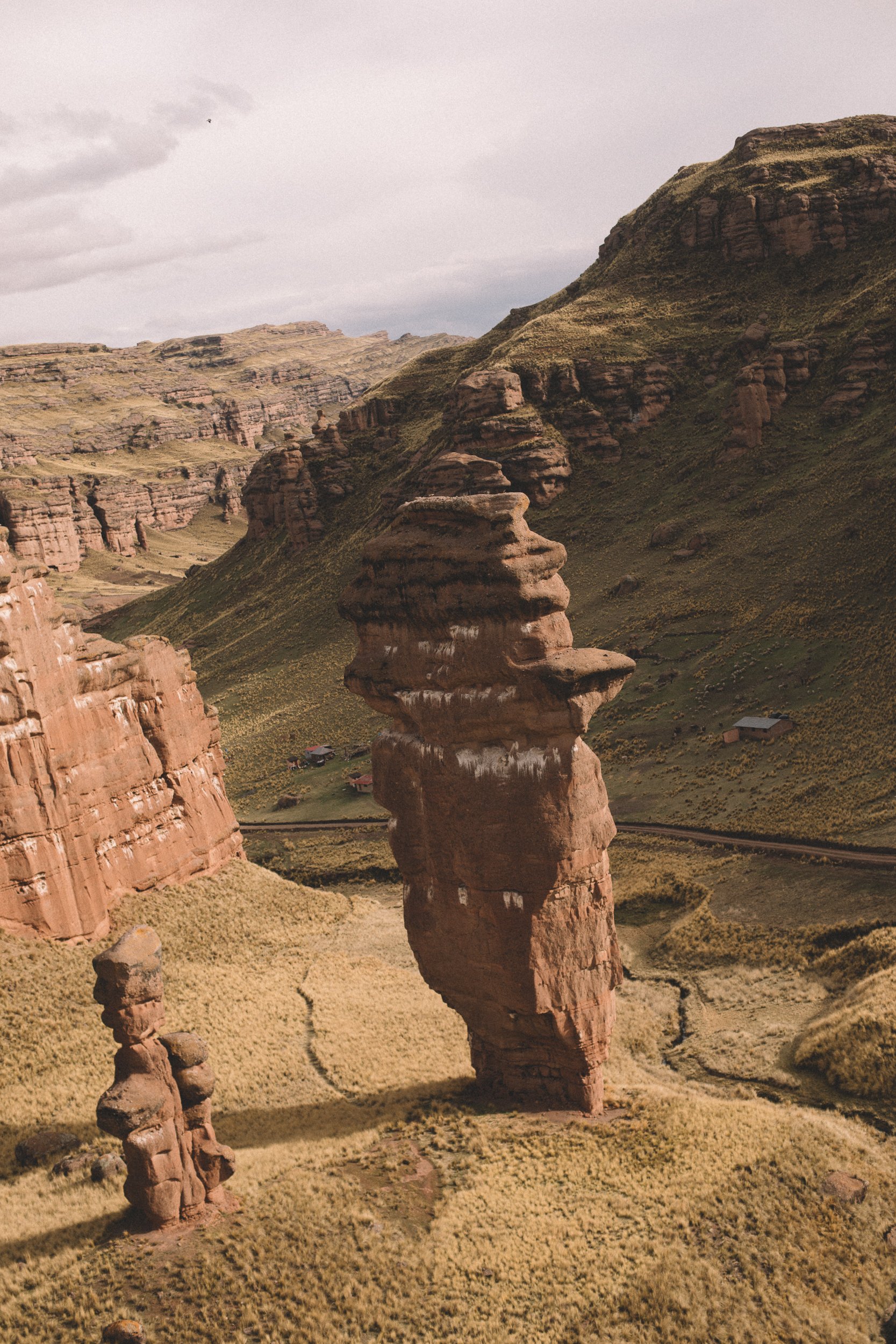
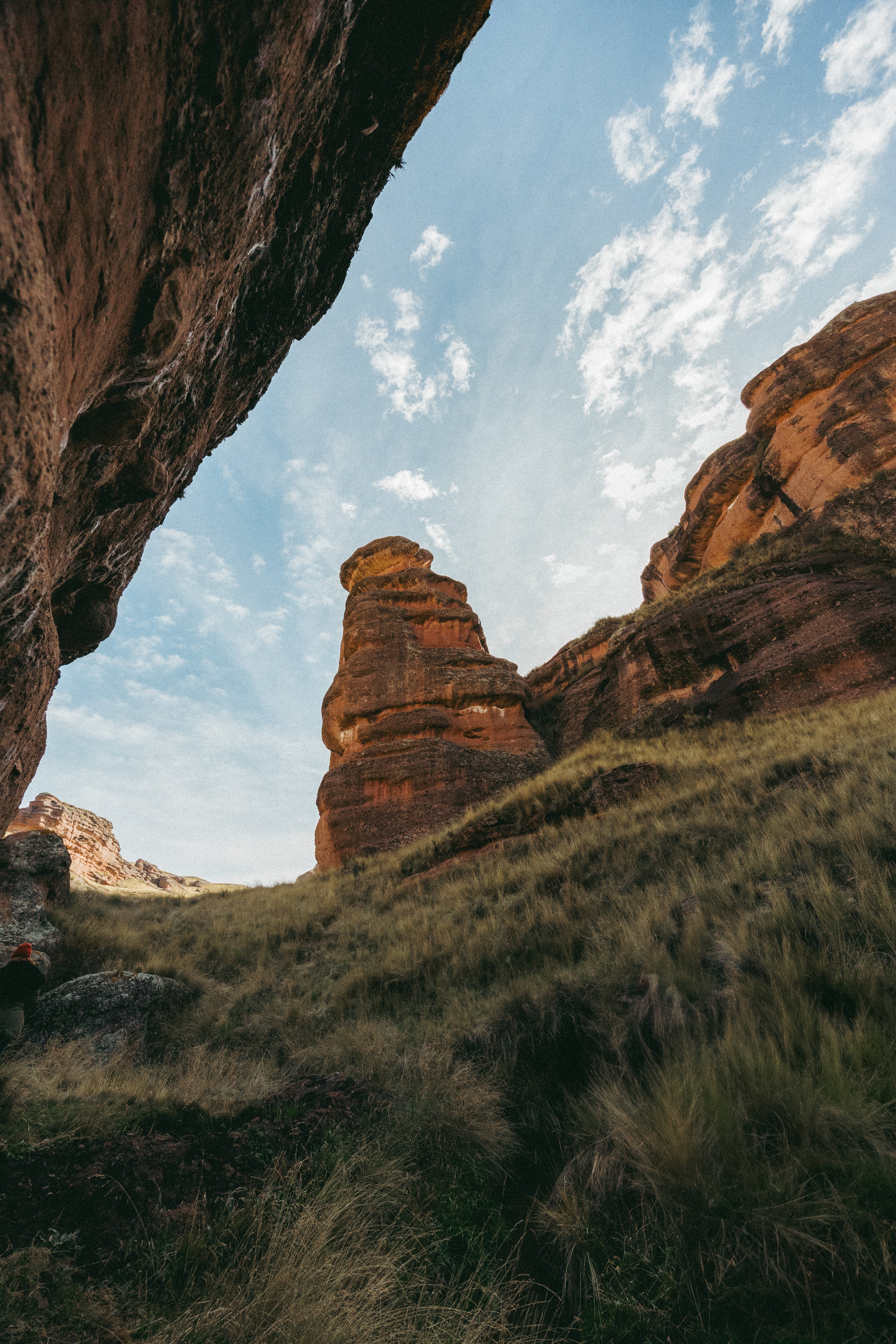
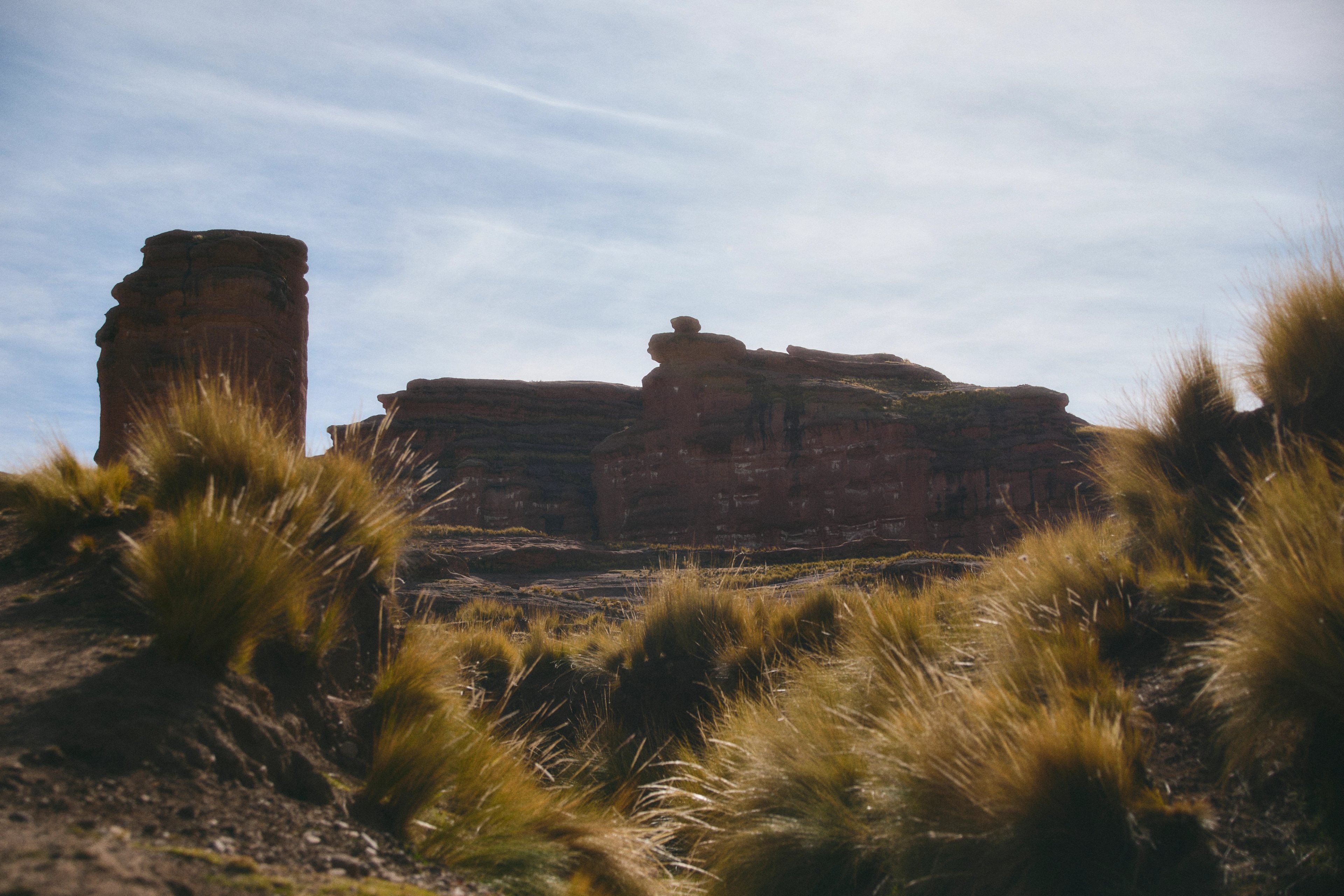
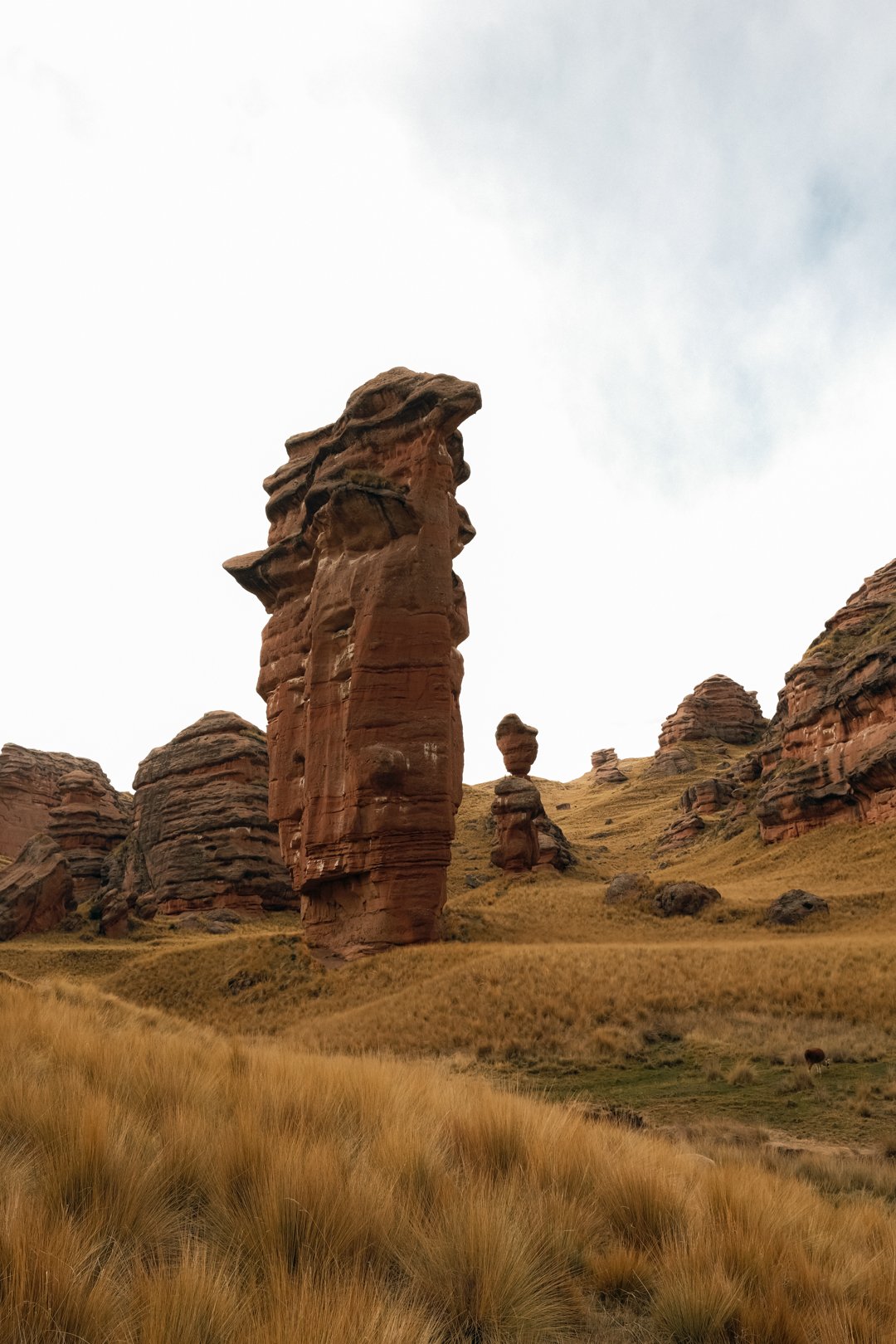
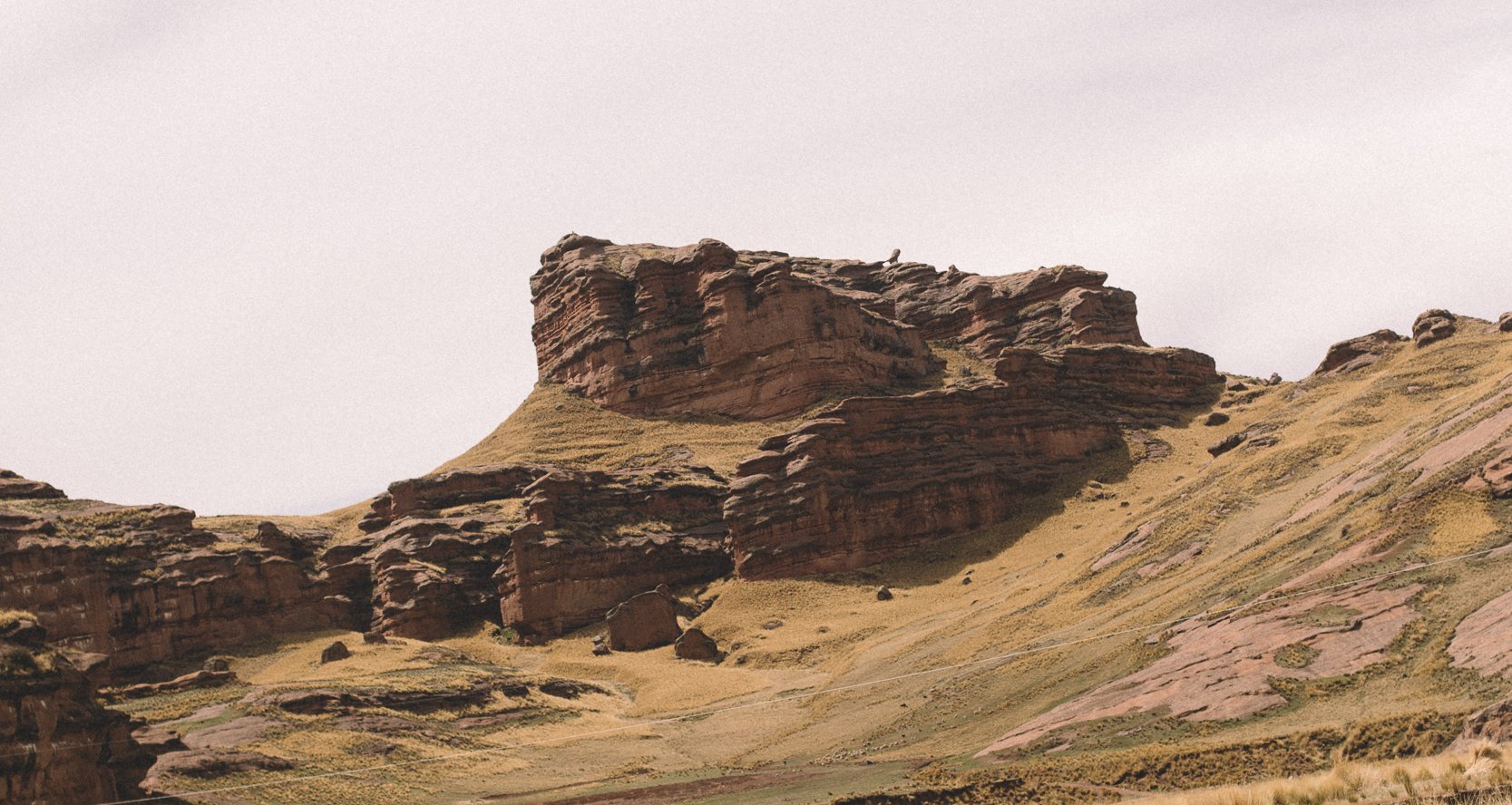
Tucked into the highlands of southern Peru, the Tinajani Canyon is a landscape shaped by years of wind, water, and pressure.
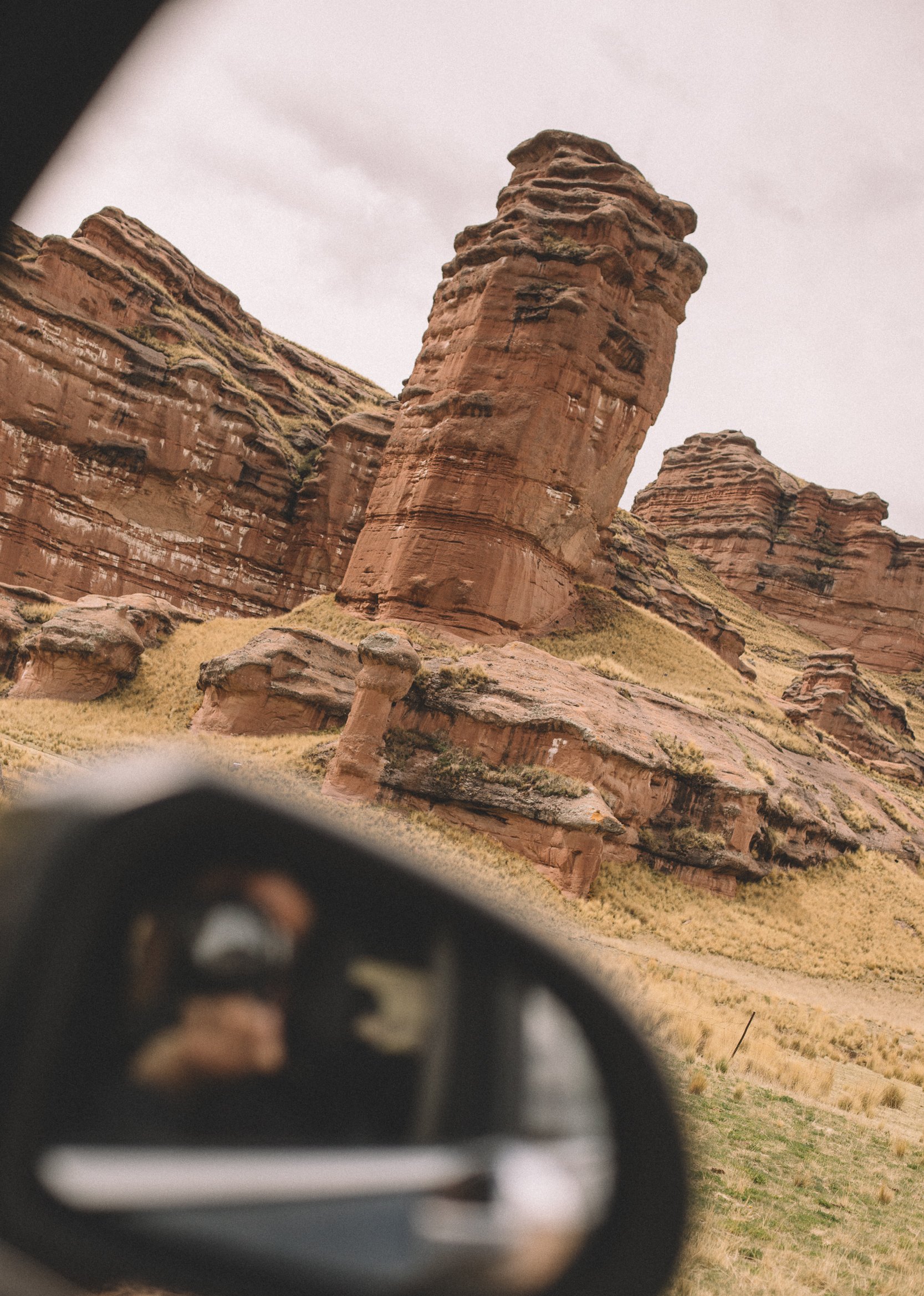
Its red stone formations — some standing over 150 feet tall — have borne quiet witness to everything that followed: ancient lakes that once covered the entire Altiplano, pre-Inca cultures who built their lives within the valley walls, and the slow, patient work of erosion that continues today.
Here, the land itself holds memory.


The canyon has always been a place of stories. Its formations have been named, feared, and revered across cultures and centuries — each shape holding a legend that the land has never fully surrendered.
Some things are better heard here, under the open sky, from those who have carried them across generations.


Tinajani is part of a private conservation reserve — a commitment to ensuring this valley remains as it has always been. Visiting Tinajani is an act of care as much as it is one of discovery.

For generations, Tinajani has been understood as more than terrain. Woven into oral tradition, seasonal movement, and ritual practice, the canyon offered shelter, orientation, and meaning — shaping the way people related to both land and time.

For generations, Tinajani has been understood as more than terrain. Woven into oral tradition, seasonal movement, and ritual practice, the canyon offered shelter, orientation, and meaning — shaping the way people related to both land and time.


Even today, its spirit remains unchanged. The scale, the silence, and the slow rhythm of the terrain continue to guide those who move through it — not as visitors passing through, but as temporary inhabitants of something far older than themselves.
Set between Cusco, Lake Titicaca, and the Colca Valley, Tinajani occupies a quiet yet connective position within southern Peru. Long before modern routes were drawn, this landscape functioned as a natural corridor — linking highland plains, ceremonial sites, and ancient pathways across the Andes.
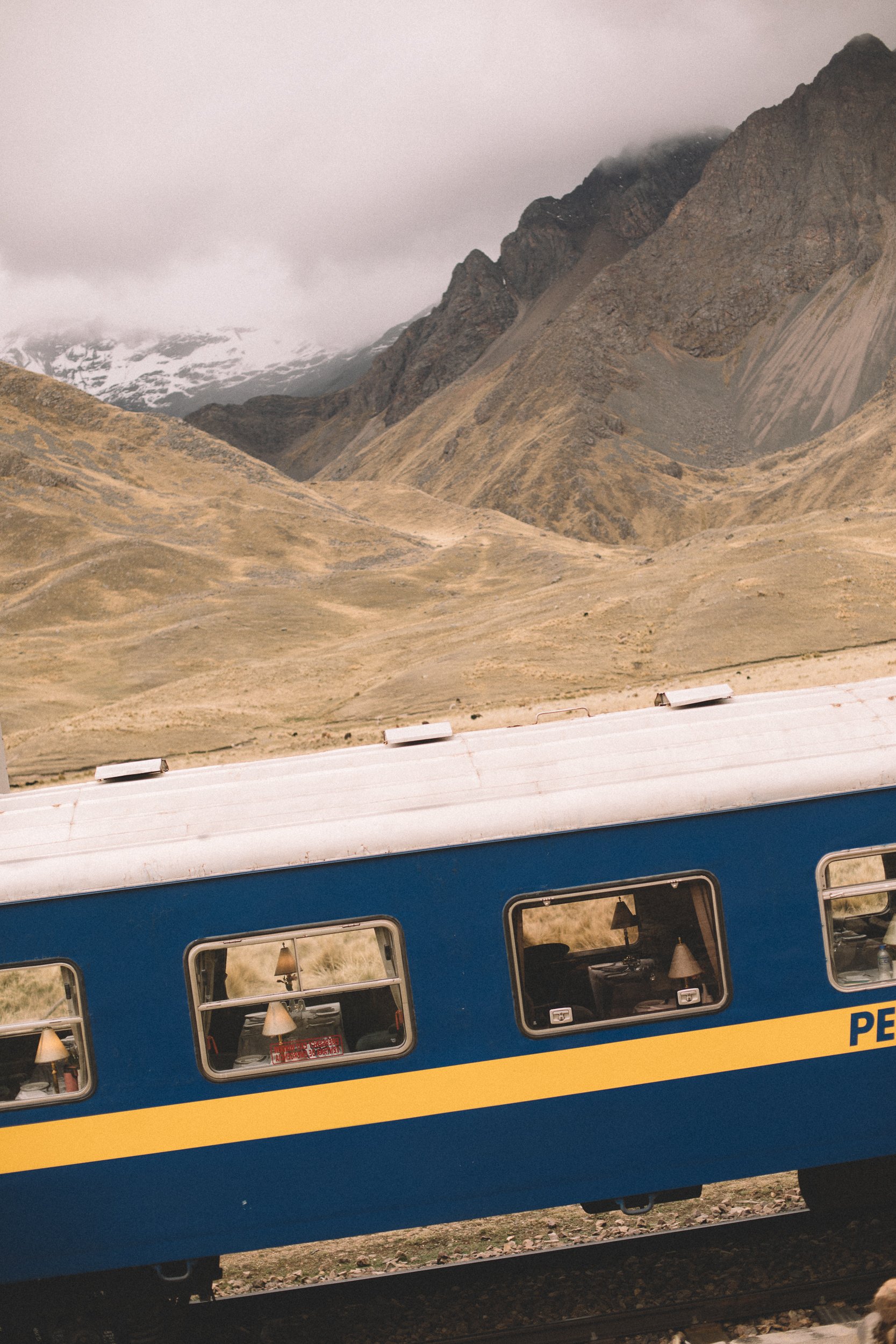
Today, reaching the canyon remains a gradual journey rather than an arrival point. Its sense of remoteness is not born of distance alone, but of rhythm — one that unfolds slowly, shaped by terrain, altitude, and and the particular silence of the Altiplano.


Set between Cusco, Lake Titicaca, and the Colca Valley, Tinajani occupies a quiet yet connective position within southern Peru. Long before modern routes were drawn, this landscape functioned as a natural corridor — linking highland plains, ceremonial sites, and ancient pathways across the Andes.
Today, reaching the canyon remains a gradual journey rather than an arrival point. Its sense of remoteness is not born of distance alone, but of rhythm — one that unfolds slowly, shaped by terrain, altitude, and and the particular silence of the Altiplano.