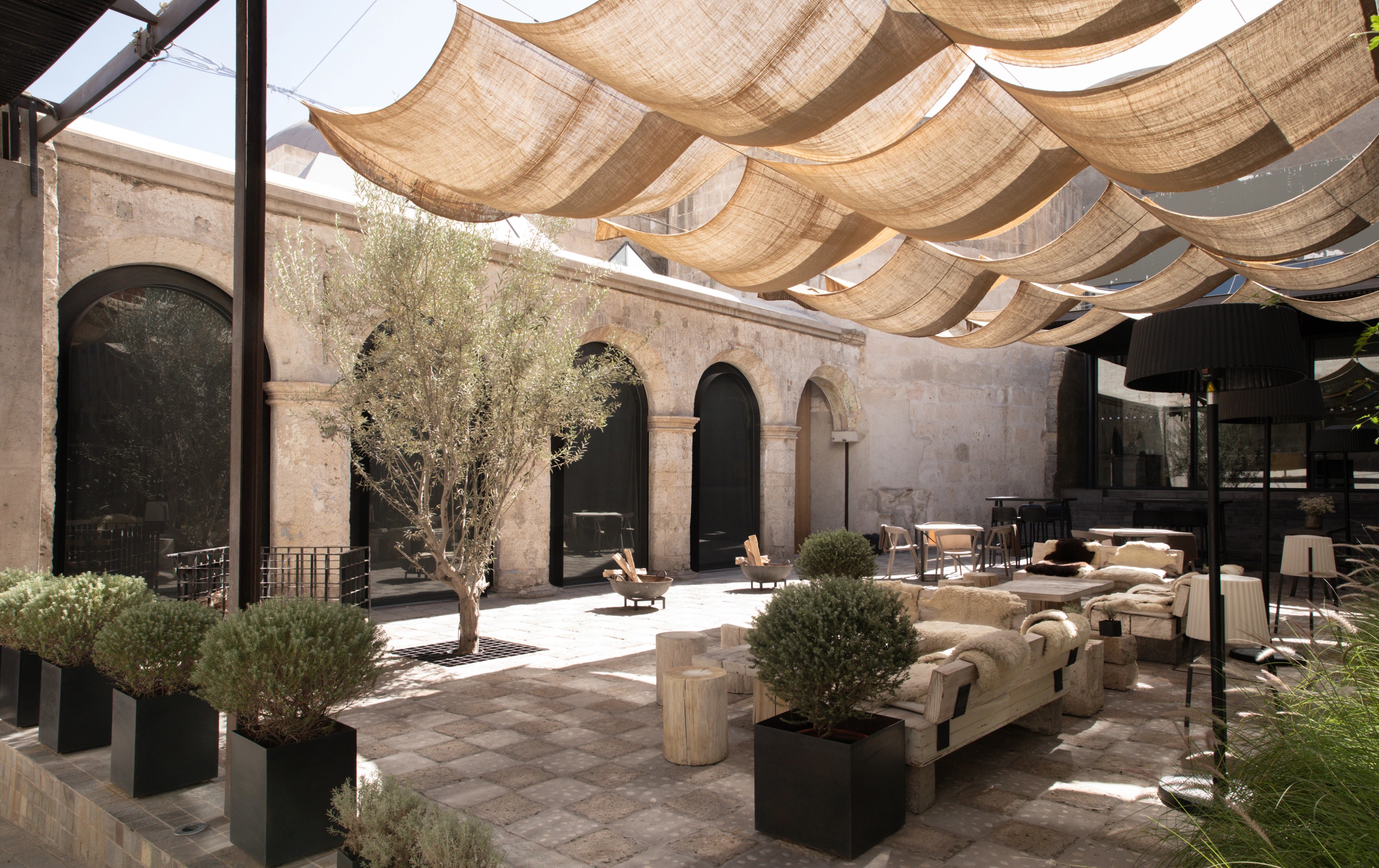
A place shaped by centuries, lived in the present


THE PARADOR, 1540
When Arequipa was founded, this site formed part of the city’s earliest divisions of land. Over time, it became home to the Augustinian Order, cloisters, patios and gardens shaping a way of life devoted to contemplation and hospitality.
CIRQA does not preserve this past as a monument. It inhabits it, allowing the architecture to remain present rather than restored into spectacle.
STONE AND SILENCE
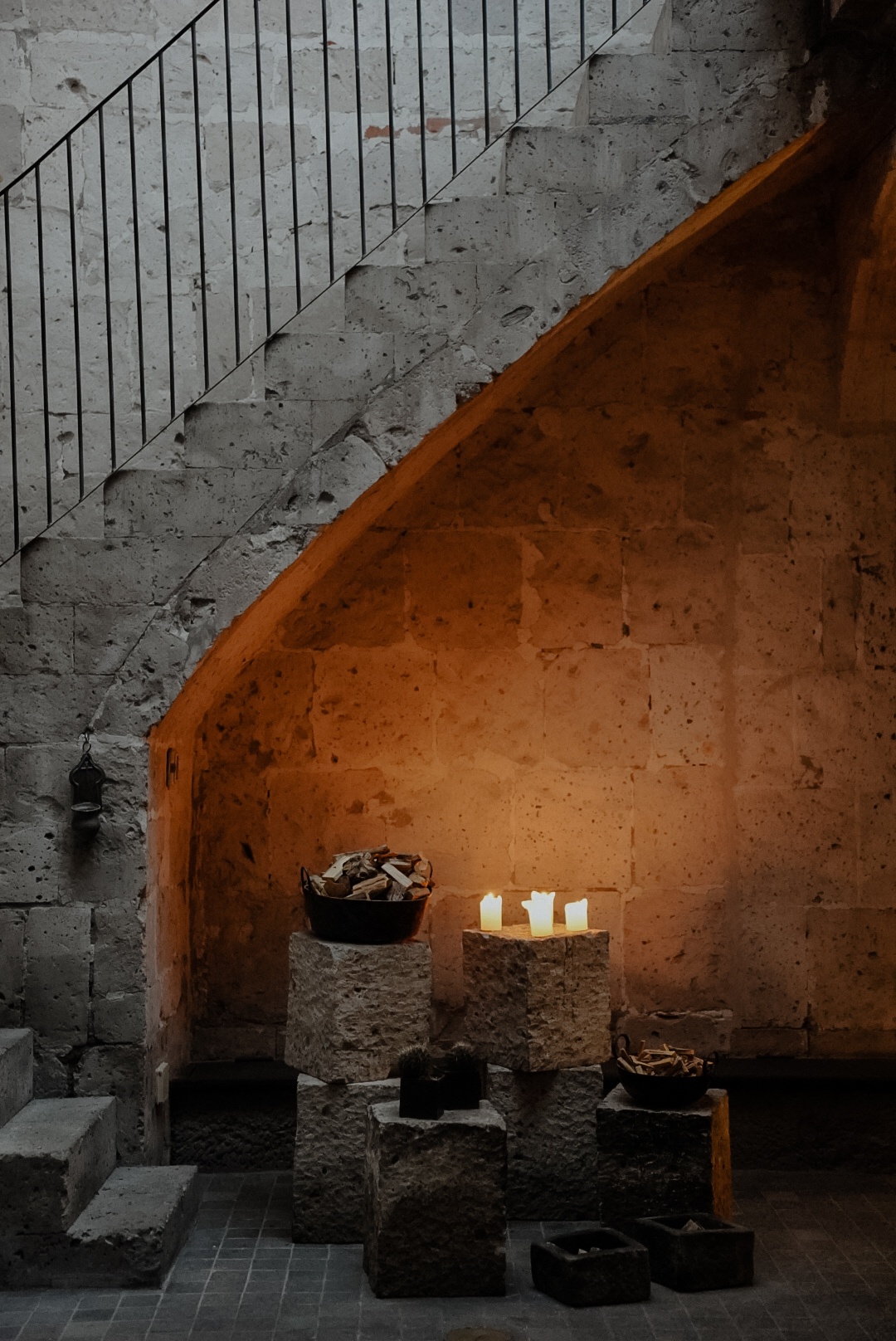
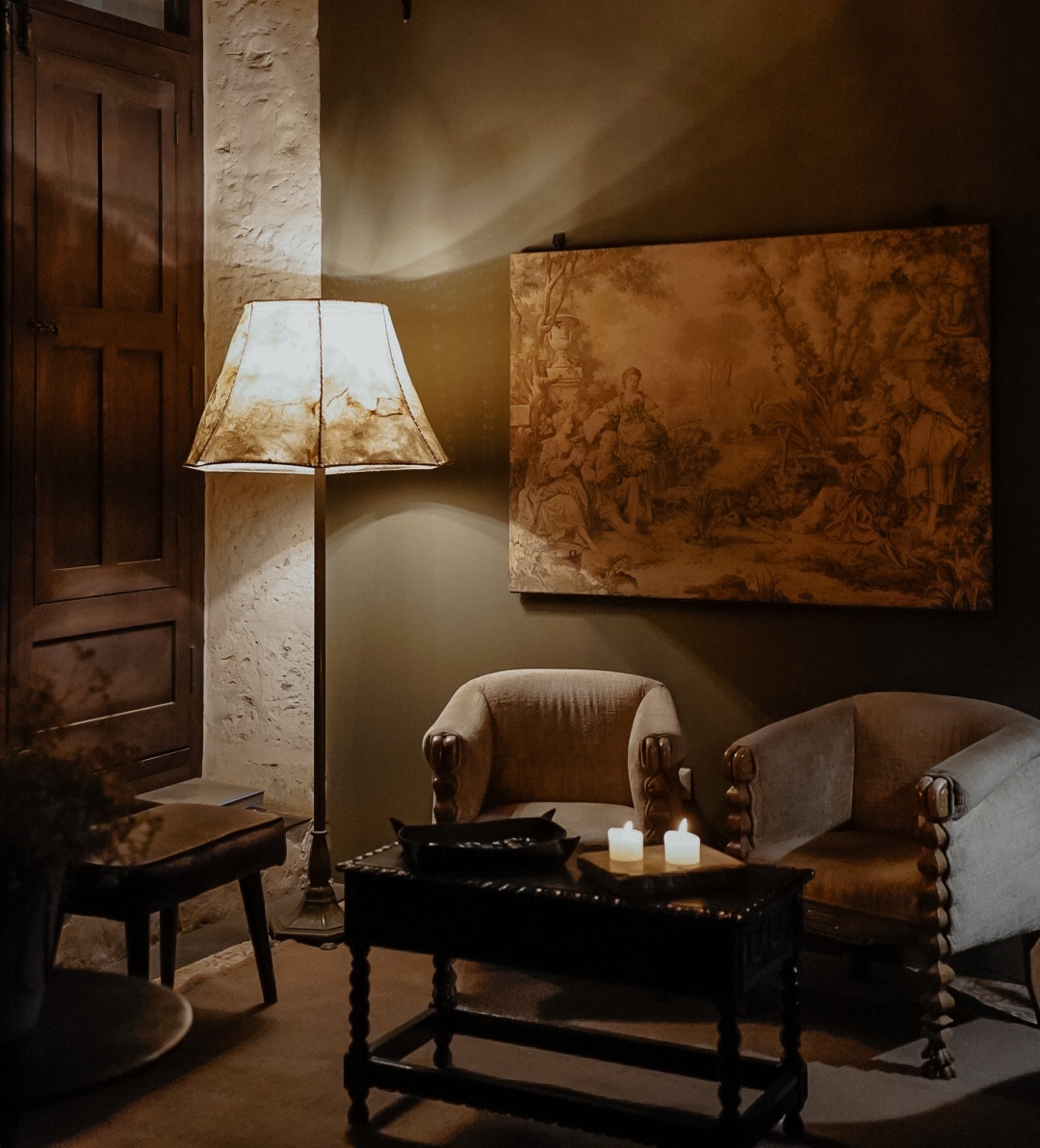
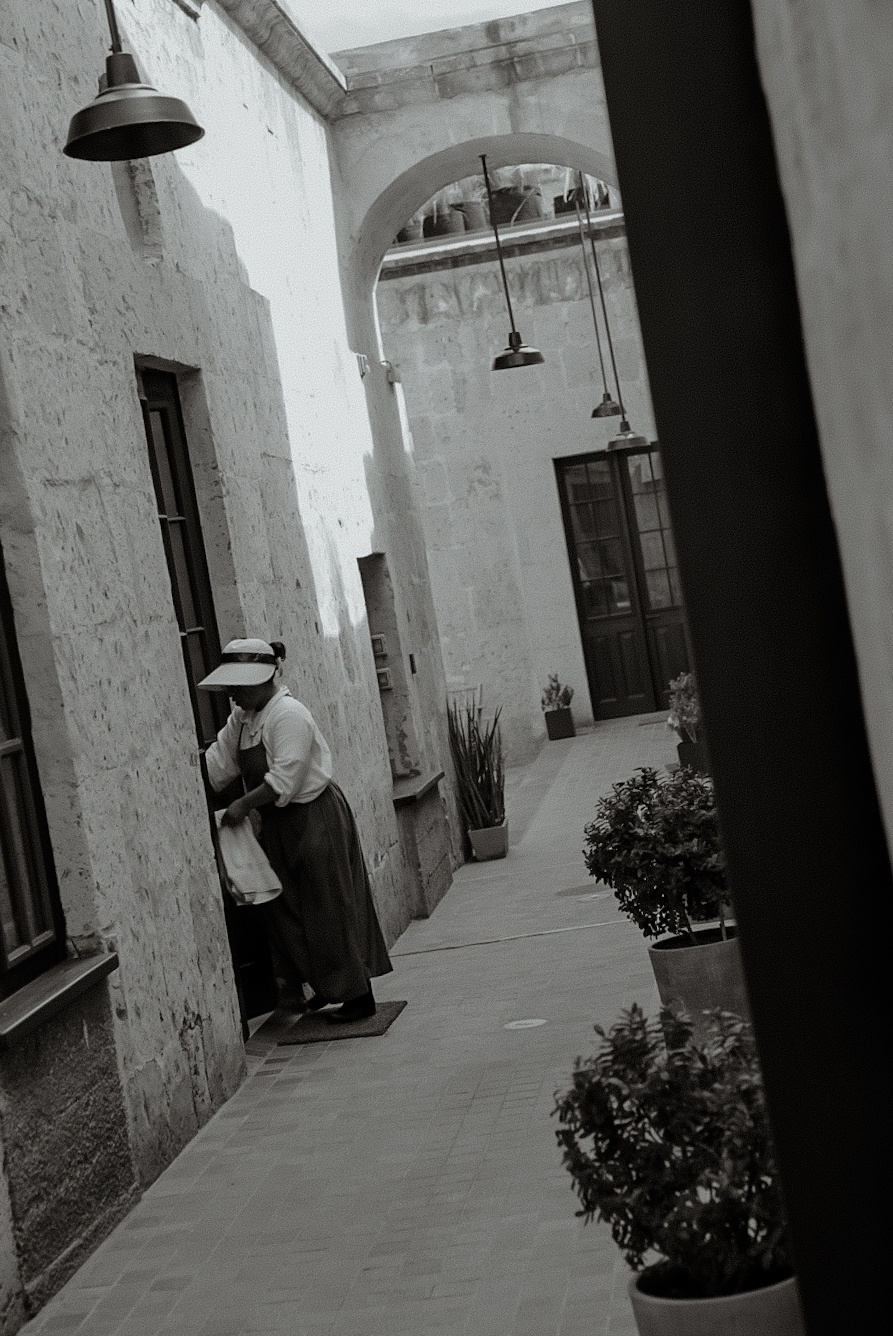
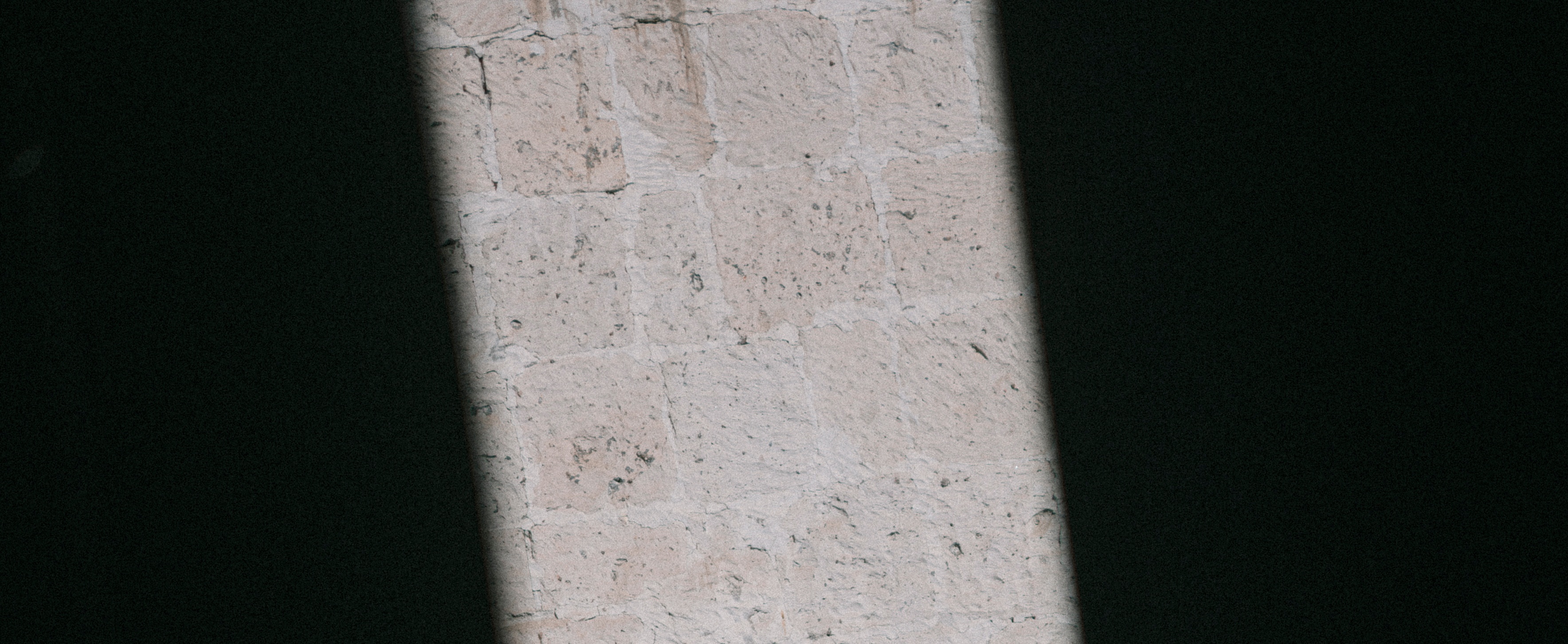
Volcanic sillar defines the Parador’s structure, its vaulted ceilings, measured arches and cloistered corridors shaped by proportion and restraint. The material holds light softly, shifting in tone throughout the day and lending the interiors a quiet luminosity.
Light settles differently on stone that has been rebuilt more than once. It softens the surfaces, revealing an architecture not preserved in stillness, but sustained through time.
CIRQA
/ˈsərkə/1 — Circa
A word used to suggest time without exactitude, an approximation that allows presence to matter more than precision.
The name CIRQA evokes this sense of temporal fluidity, acknowledging that the Parador resists fixed dating and instead lives across centuries.
2 — Sirca
A colloquial reference to the veins of the rocoto pepper, central to Arequipenean cuisine.
In this dual meaning, stone and flavour converge, architecture and gastronomy quietly intertwined.
ABOVE THE CITY
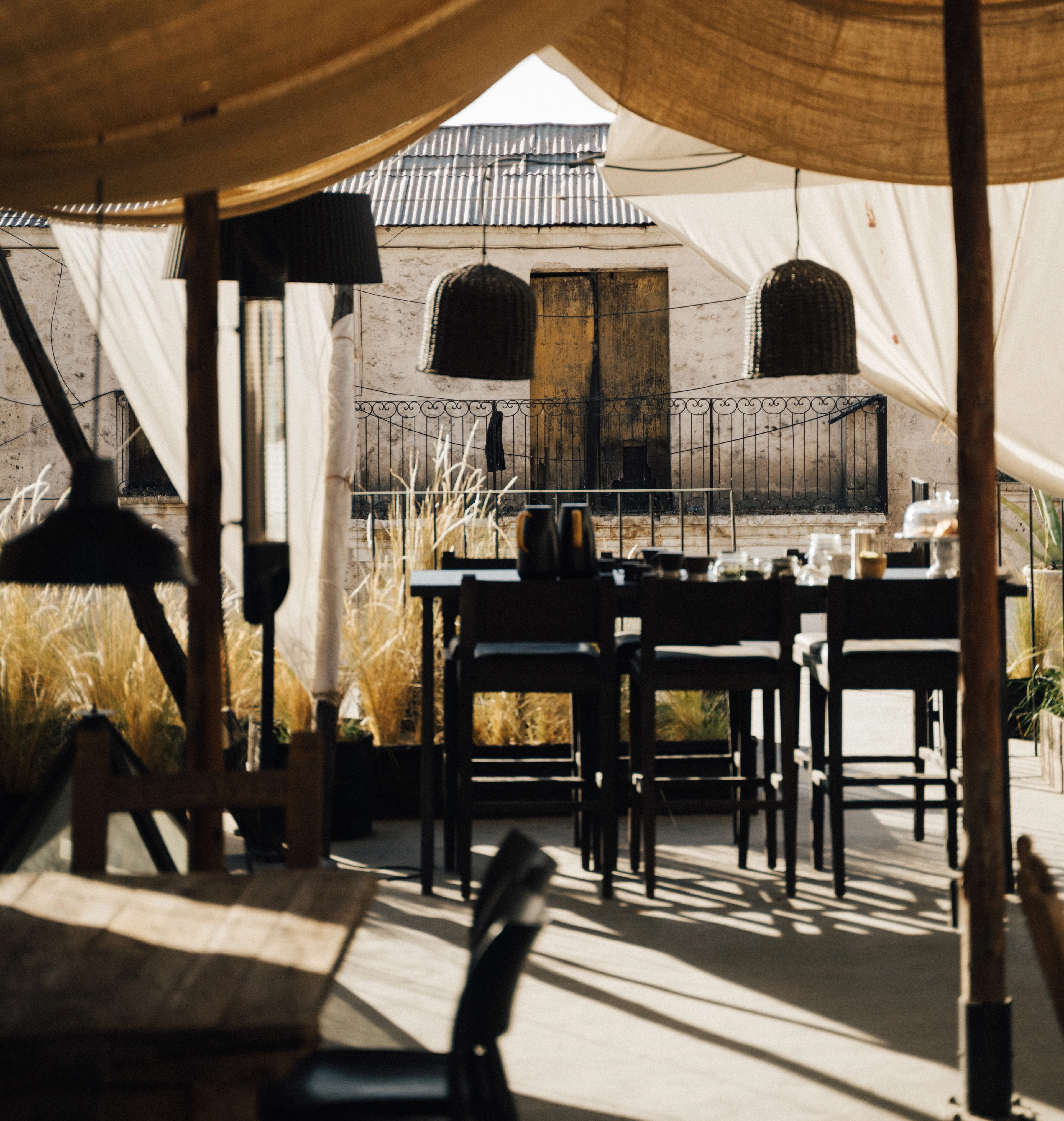
From El Techo de CIRQA, white façades and quiet rooftops extend in every direction. The surrounding landscape appears in subtle silhouettes, never imposed, always present.
Here, the day slows gently. Conversations linger. The city remains close, yet softened by height and light.
FIND US
C. Sucre 104, Arequipa 04001